
Inland Marine vs BPP for Film Equipment Insurance
TL:DR Inland Marine insurance is generally designed for mobile production equipment that regularly travels between locations, while Business Personal Property (BPP) is typically designed for property kept at a fixed business location.
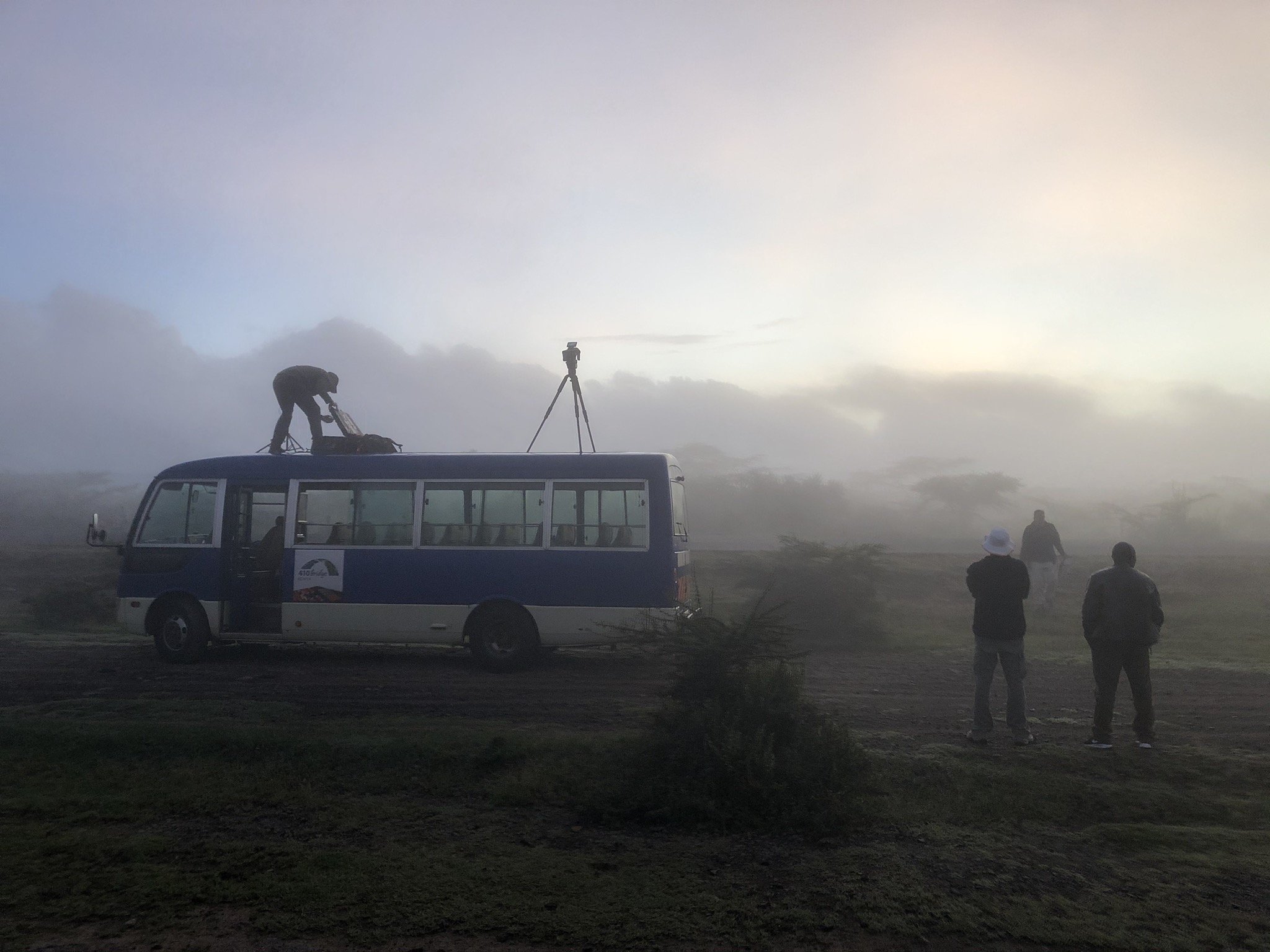
One of the most common misconceptions in the production world is assuming production gear is automatically “covered” under a standard business property policy.
Sometimes it is.
Sometimes it is, but very restrictive.
The confusion usually comes from the fact that many production companies technically do have property coverage already through a Business Owners Policy (BOP) with a Business Personal Property (BPP) limit. The problem is that film gear rarely behaves like normal business property.
Production equipment moves constantly.
That changes the insurance conversation entirely.
What Is Business Personal Property (BPP) Coverage?
Business Personal Property coverage is primarily designed for property located at your business premises.
Think:
Office furniture
Editing computers
Studio fixtures
Desks
Monitors
Storage shelving
Equipment primarily kept at a fixed location
For many businesses, that works perfectly.
But production companies are different.
Production equipment may:
Live in a truck
Travel between multiple shoot locations weekly
Fly internationally
Sit overnight in hotels
Move between sets and rental houses
Be used by subcontracted crew
Spend more time off-premises than at the office itself
That is where standard policies can unintentionally create coverage gaps.
“But My BOP Covers Equipment Off-Premises…”
Maybe.
Many BOPs include some level of off-premises property coverage or allow endorsements that extend property coverage away from the insured location.
That can absolutely help.
But understand a few important things:
Off-Premises Coverage Often Has Limitations
A standard property form is still fundamentally designed around property at the scheduled premises.
Once gear starts constantly traveling, questions begin to matter:
Is there a sublimit off-premises?
Is transit covered?
Is theft from vehicles covered?
Is rented gear included?
Is coverage worldwide or only US/Canada?
Is coverage replacement cost or actual cash value?
Is the equipment individually scheduled?
These details matter a lot more in production than many people realize.
What Does Inland Marine Insurance Actually Cover?
Despite the name, Inland Marine has nothing to do with boats.
Inland Marine coverage was developed specifically for property that moves. That is why it is commonly used for film production equipment, rental gear, mobile tools, and property regularly traveling between locations.
That makes it a much more natural fit for:
Camera packages
Grip & electric equipment
Audio kits
Production carts
DIT stations
Rental equipment
Gear traveling between locations
In production terms:
BPP protects the office.
Inland Marine protects the workflow.
Real-World Example
Let’s say a production company has:
$75,000 in camera gear
A small office/studio
Weekly commercial shoots
Frequent rentals
Gear transported in vans and grip trucks
A standard BPP setup may technically provide some off-premises coverage.
But if the gear is:
Constantly in transit
Stored temporarily at locations
Used across multiple states
Rented from vendors
Frequently away from the insured premises
then Inland Marine usually becomes the more appropriate structure because the exposure itself is mobile.
Common Coverage Mistakes
Assuming “Property Coverage” Means Anywhere
This is probably the biggest one.
Many industry people hear:
“You have property coverage.”
What they assume:
“My gear is covered everywhere.”
Those are not always the same thing.
Confusing Replacement Cost With Actual Cash Value
A five-year-old camera may still cost a fortune to replace operationally.
Actual Cash Value takes depreciation into account.
Replacement Cost generally does not.
That difference matters enormously during a claim.
Forgetting About Rented Gear
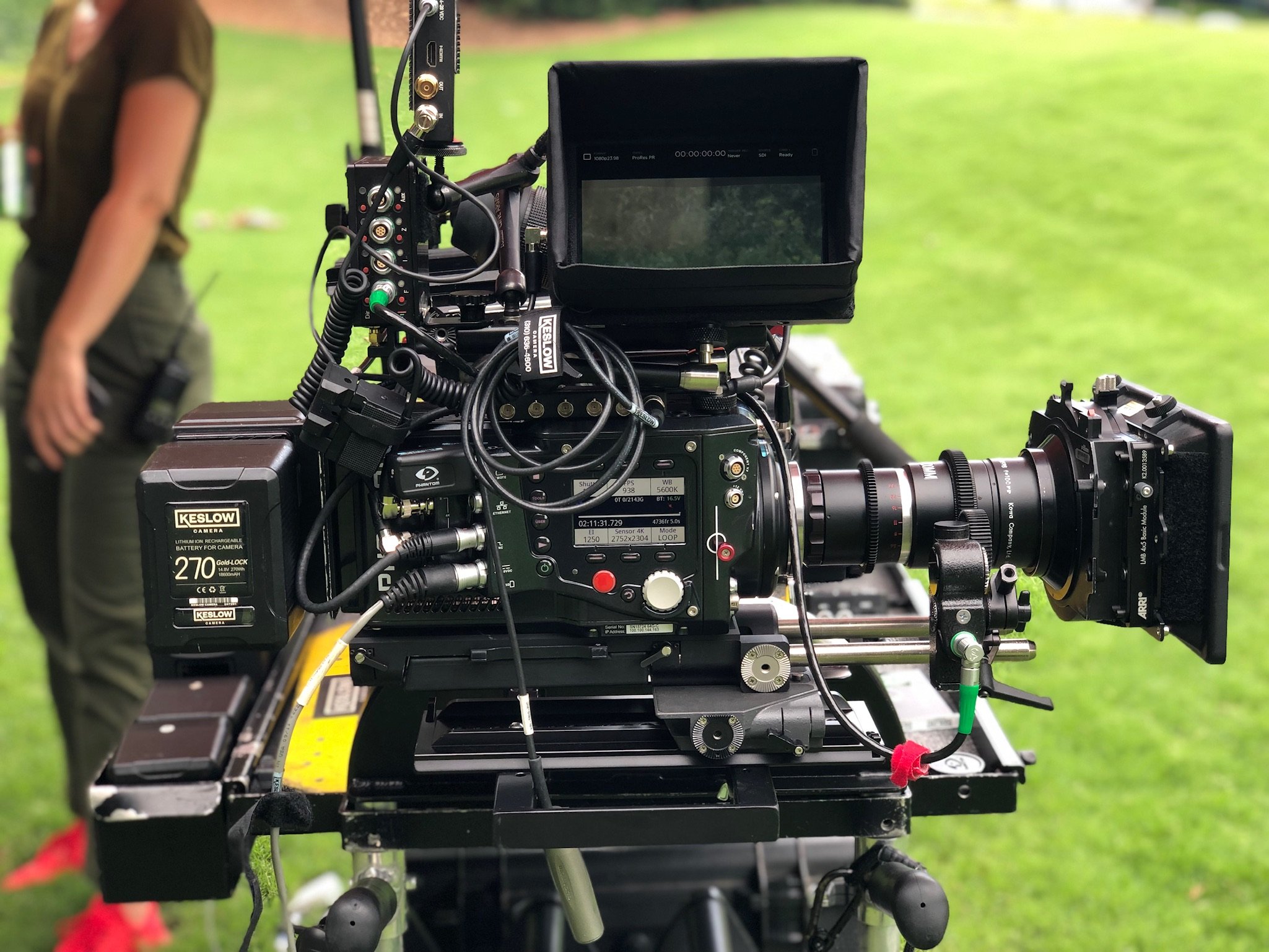
Many productions rely heavily on rented gear for:
Camera packages
Specialty camera bodies
Camera AKS
G&E packages
Production Supplies
Owned gear and rented gear are not always treated the same way.
Some policies cover one well and barely contemplate the other.
Ignoring Transit Exposure
Production gear is constantly:
Loaded
Unloaded
Packed
Shipped
Checked on flights
Moved between vehicles
Stored temporarily
That transit exposure is one of the biggest reasons Inland Marine exists in the first place.
Why Rental Houses Care So Much
The moment you rent professional film production equipment, insurance requirements usually become much more serious.
Rental houses commonly request:
Certificates of Insurance (COIs)
Additional Insured status
Loss Payee wording
Proof of Inland Marine coverage
Specific coverage limits
This is often the first moment smaller production companies realize their insurance structure matters operationally, not just legally.
When BPP Still Makes Sense
This is important:
BPP is not “bad.”
In fact, it is still extremely important for many production companies.
BPP often makes excellent sense for:
Offices
Studios
Edit bays
Computers primarily kept on-site
Furniture
Fixtures
Permanent business locations
Many production companies ultimately use both:
BPP for fixed business property
Inland Marine for mobile production equipment
That combination usually mirrors how the business actually operates.
A Better Question To Ask
Instead of asking:
“Do I have equipment coverage?”
Ask:
“How does this policy expect the equipment to be used?”
Because production equipment rarely behaves like normal business property.
And good insurance should reflect real production workflows, not just generic business classifications.
Final Thoughts
The goal is not simply to “have production insurance.”
The goal is to structure coverage around how production companies actually operate:
Mobile gear
Temporary locations
Rentals
Travel
Transit
Crew
COIs
Real-world production logistics
For filmmakers, understanding the difference between BPP and Inland Marine can be the difference between a policy that technically exists and one that actually responds the way the production expects when something goes wrong.